



Aravalli Hills: An Overall Case Study of India’s Oldest Mountain Range
Aravalli Hills Degaster

Aravalli Hills: An Overall Case Study of India’s Oldest Mountain Range
Introduction
The Aravalli Hills, stretching across western India, represent one of the oldest fold mountain ranges in the world. Running approximately 670 km from Gujarat through Rajasthan to Delhi and Haryana, the Aravallis are far more than a geographical feature. They play a vital role in climate regulation, biodiversity conservation, water security, and cultural history of the Indian subcontinent.
This case study examines the origin, ecological importance, socio-economic value, environmental degradation, and future conservation needs of the Aravalli Hills.
Geological Background
The Aravalli range dates back over 1.5 to 2.5 billion years, making it older than the Himalayas. Formed through ancient tectonic plate movements, the rocks consist mainly of gneiss, schist, quartzite, and marble.
Over millions of years, erosion reduced the range to relatively low heights, yet its geological stability continues to influence soil formation and groundwater systems across north-western India.
Geographical Spread
The Aravalli Hills pass through:
- Gujarat
- Rajasthan (largest coverage)
- Haryana
- Delhi
Key peaks include Guru Shikhar (Mount Abu), the highest point at about 1,722 meters. The range acts as a natural barrier, preventing the Thar Desert from spreading eastward.
Ecological Importance
The Aravalli Hills support a wide range of ecosystems:
- Dry deciduous forests
- Scrub forests
- Grasslands
- Seasonal wetlands
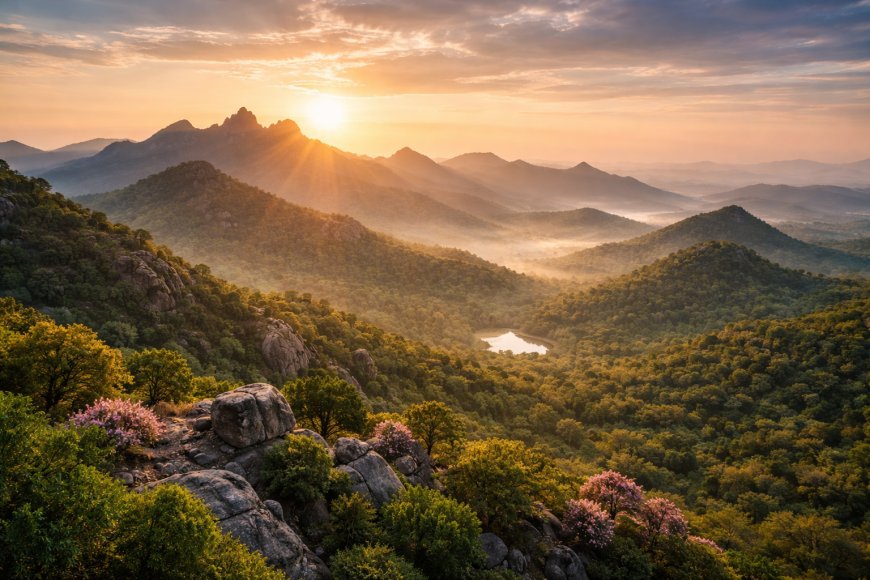
They host wildlife such as leopards, hyenas, jackals, nilgai, peafowl, and numerous bird species. The forests also act as a carbon sink, helping reduce air pollution, especially around Delhi-NCR.
Water Security Role
Aravalli forests play a crucial role in:
- Groundwater recharge
- Feeding rivers like Luni, Sahibi, and Banas
- Preventing soil erosion and flash floods
Several cities, including Delhi, Jaipur, and Gurugram, indirectly rely on the Aravallis for water regulation.
Cultural and Historical Significance
Historically, the Aravallis were rich in minerals and supported ancient civilizations. Many forts, temples, and settlements grew around these hills. Tribal communities such as Bhil and Meena have lived here for centuries, depending on forest resources for livelihood.
Human Activities and Degradation
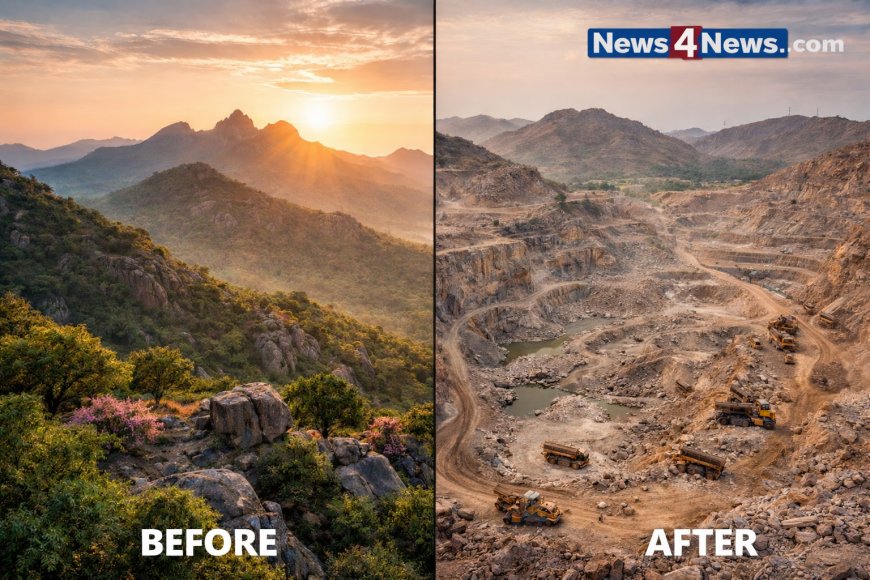
In recent decades, the Aravalli Hills have faced severe threats:
- Illegal mining
- Deforestation
- Urban expansion
- Industrial pollution
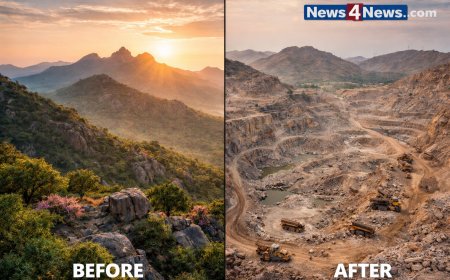
Large-scale mining of stone and marble has caused habitat destruction and lowered groundwater levels. Unplanned construction around Delhi-NCR has further degraded forest cover.
Legal and Policy Interventions
The Indian judiciary has recognized the ecological importance of the Aravallis. Various mining bans and conservation notifications have been implemented, but enforcement remains inconsistent.
Recent initiatives focus on:
- Forest restoration
- Mining regulation
- Eco-sensitive zone declarations
- Community participation
Future Prospects and Conservation Needs
Protecting the Aravalli Hills is essential for:
- Combating desertification
- Ensuring water security
- Reducing climate impacts
- Preserving biodiversity
A long-term solution requires strong legal protection, scientific restoration, public awareness, and sustainable development models.
Conclusion
The Aravalli Hills are not just ancient mountains; they are a lifeline for millions of people in north-western India. This case study highlights the urgent need to balance economic growth with ecological preservation. Without immediate action, the loss of Aravallis could lead to irreversible environmental consequences.
What's Your Reaction?